

Pain Solutions for Pianists
“This helped a lot in terms of relieving the shoulder tension and pain, and my wrist and elbow pain too.” - Helen

Piano Hurts or Feels Tense?
Let’s Find Out Why.
Taubman-informed help for pianists dealing with wrist, arm, shoulder, neck, or back discomfort.
If playing causes pain, fatigue, or tension, you don’t need to quit, push through, or start over.
Pain at the piano can feel mysterious. You need clarity.
Start with a Play Without Pain Assessment.
We’ll look at your setup, movement, and playing patterns.
The goal is to help you understand what’s happening and begin finding a more comfortable way to play.
Available online or in-person.
Want to start smaller? Get the free guide below.
This is rooted in the Taubman Method and the Well-Balanced Pianist Approach. It is not generic piano lessons.
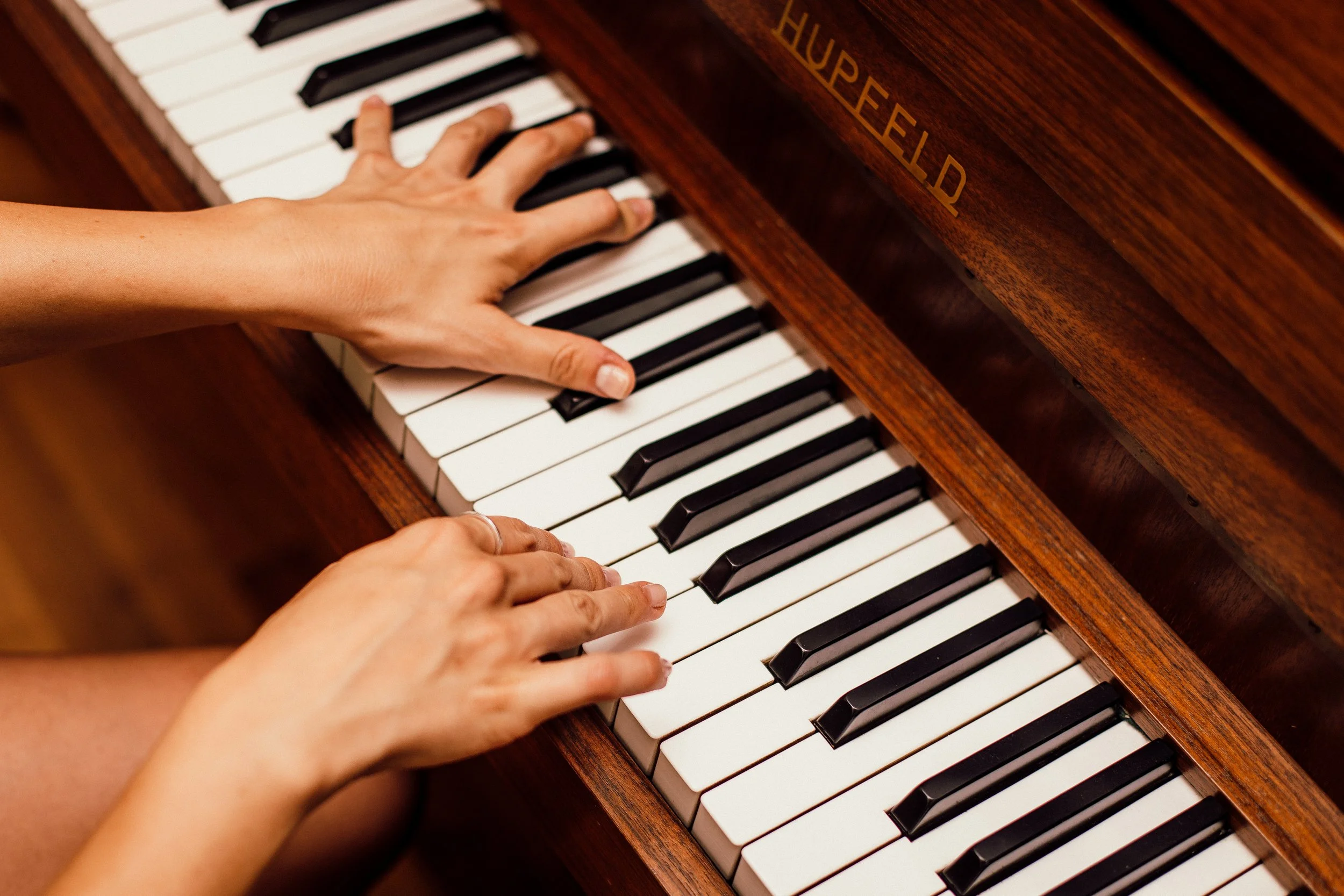
This may be for you if:
• Playing hurts or feels tense
• Your hands, arms, shoulders, neck, or back gets tired
• You’ve been told to ‘relax,’ but don’t know how
• You love piano, but your body gets in the way
You don’t need to be advanced. Pain and tension can happen at any level.
What happens in the assessment?
We take a careful look at how you play.
You’ll leave with:
A clearer sense of why piano may be hurting or uncomfortable
One or two specific setup changes to try
A practical movement adjustment toward more comfortable playing
In that first session, most students have a moment where they say: “Oh wow. That actually feels better.”
Want to start with the guide?
This short visual guide walks through three setup and movement issues I often see with adult pianists.
It’s a good first step if you’re curious, but not quite ready to schedule.
3 Common Causes of Piano Discomfort (and Ways to Fix Them)
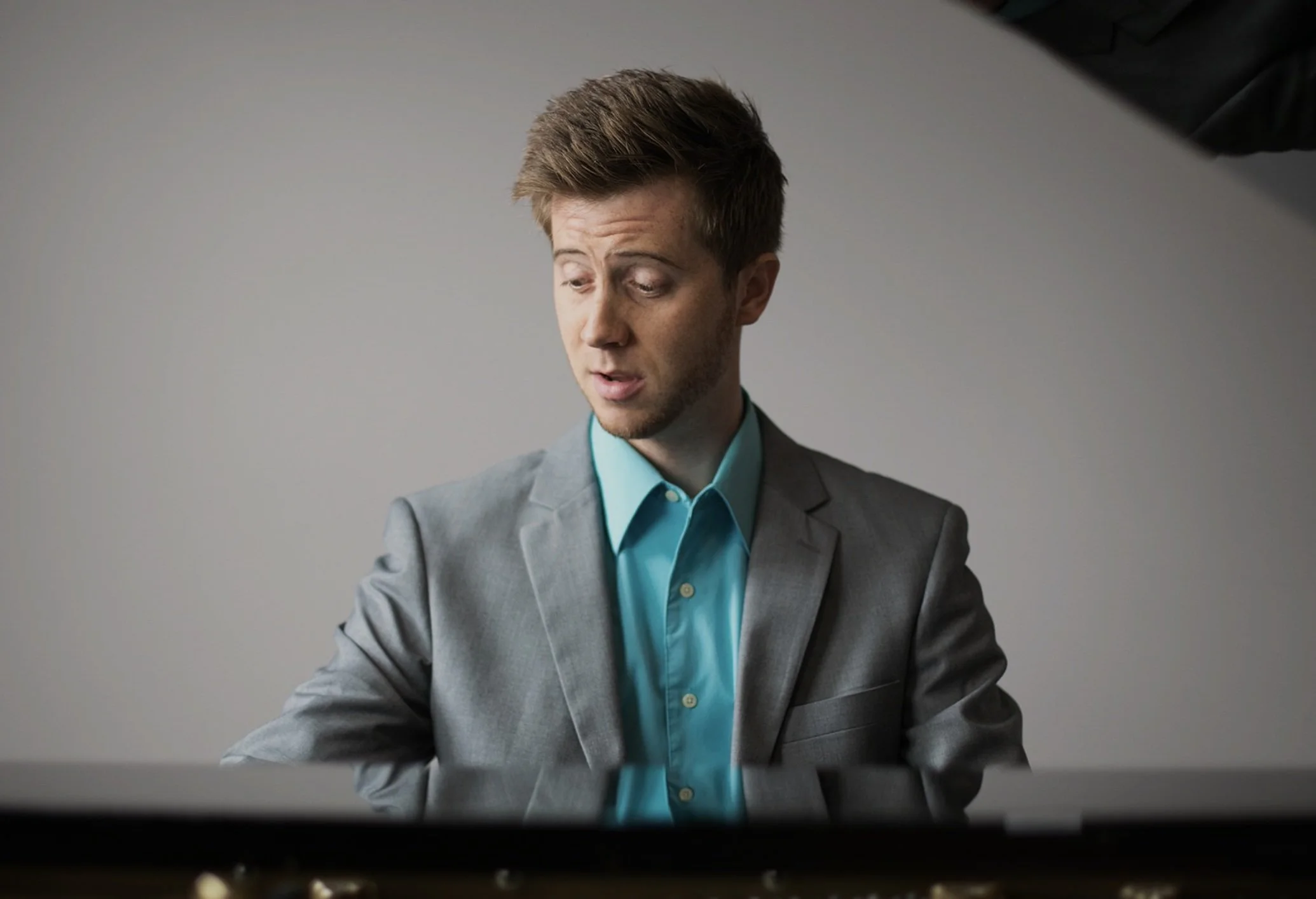
I’m a jazz pianist and Taubman-trained teacher. After dealing with tendonitis, I rebuilt my own playing through this approach.
Now I help pianists understand the movements causing pain, tension, and unreliable technique. That means playing can become more comfortable, predictable, and sustainable.
Hi, I’m Jordan.
“The lessons with him have completely transformed how I play and even sit at the piano.” - Eliya
Schedule a Play Without Pain Assessment
In this first session we'll look at what’s happening and how you can begin to play with more comfort and reliability.
You’ll hear back within 24 hours.

“These lessons helped me return to piano after years of pain.” — Alex
FAQs
Is this physical therapy?
No. This is piano technique retraining. We focus on movement and mechanics at the instrument.
Does this work online?
Yes. With a clear camera angle, we can look closely at your setup, balance, and movement.
Do I need to be advanced?
No. This work can help beginners, returning players, adult amateurs, and serious pianists.
If you’re tired of guessing why something hurts and you’d like to understand what’s actually happening, start with an assessment.
Comfortable playing is often closer than it feels.